Unlock your full gaming potential by mastering how to hold a mouse for gaming. This comprehensive guide delves into popular grip styles like palm, claw, and fingertip, offering insights tailored for US gamers balancing life with their passion. Discover ergonomic tips to prevent fatigue during long sessions, optimize aiming precision, and enhance overall comfort. We explore how different grip types impact gameplay across various genres, from fast-paced FPS to strategic RPGs, ensuring you find the perfect fit for your hand and playstyle. Stay ahead of the curve with advice on mouse sensitivity, DPI settings, and wrist positioning, crucial elements for anyone looking to improve their in-game performance and enjoy a healthier gaming experience in 2026 and beyond. Elevate your game and play smarter, not harder.
Related games- Guide to Roblox Piano Sheets: Master Virtual Music!
- Guide Roblox Package Scripts 2026 Dev Essentials
- How GTA 6's Setting Redefines Open World Gaming
What are the top 5 questions gamers ask about how to hold a mouse for gaming?
1. What is the best grip for FPS games?
2. How do I know which mouse grip is right for me?
3. Does my mouse grip affect my aim and reaction time?
4. How can I avoid wrist pain or carpal tunnel from gaming?
5. Should I change my mouse grip if I'm not performing well?
What are the primary advantages of a Palm Grip for gaming?
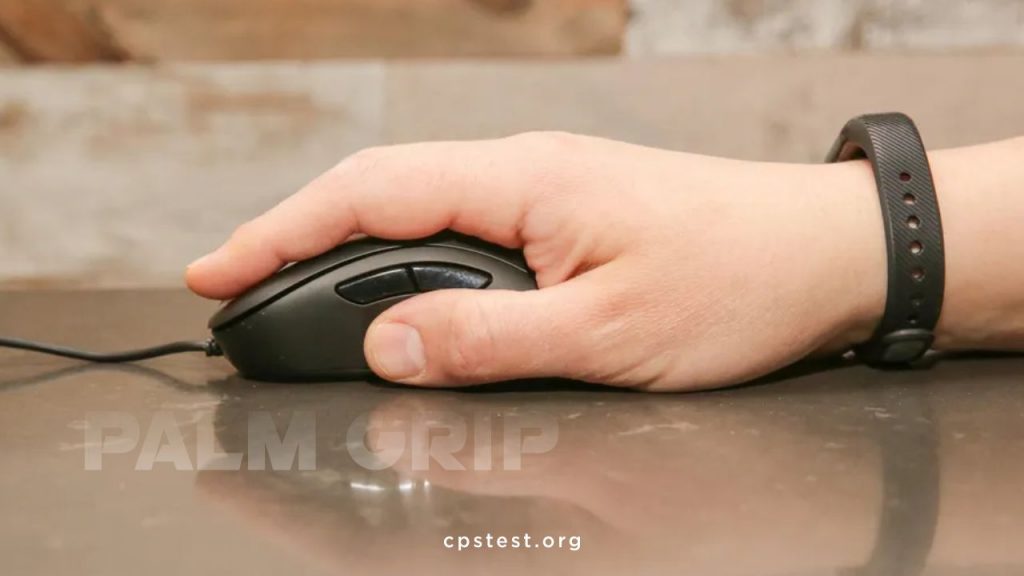
A Palm Grip offers superior comfort and stability, making it ideal for longer gaming sessions and genres where consistent tracking and less twitchy movements are required, such as RPGs, strategy games, or some MOBAs. It minimizes wrist strain by allowing your arm to do most of the work, promoting a more relaxed hold and reducing fatigue over time, which is crucial for busy gamers.
How does a Claw Grip balance speed and precision in fast-paced games?
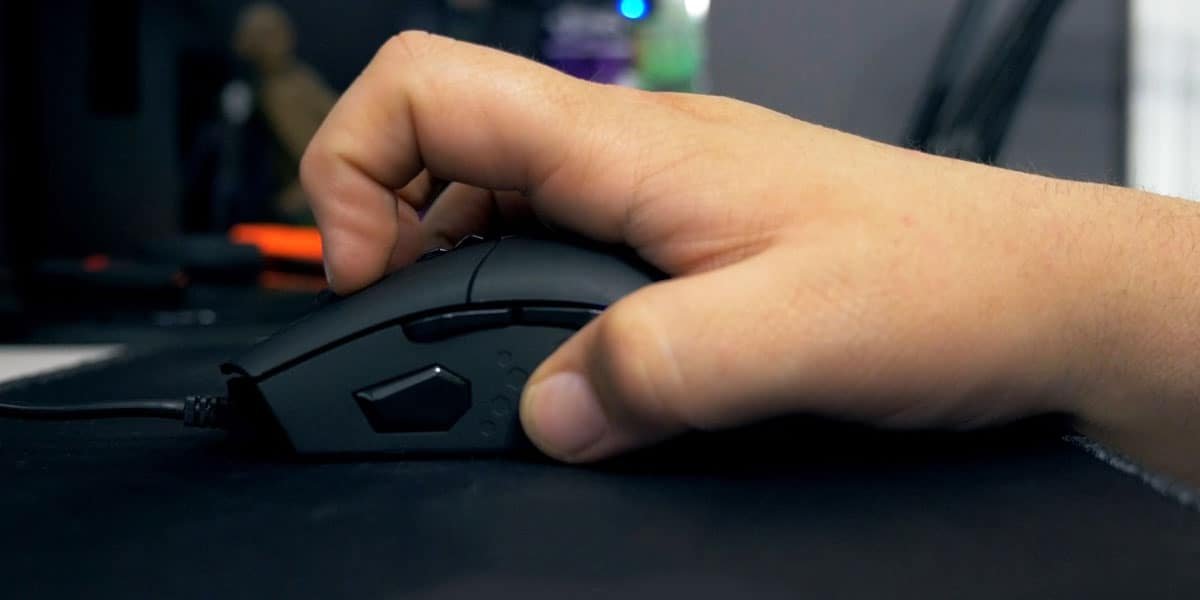
The Claw Grip excels by allowing a combination of arm and wrist movements for larger sweeps, while your arched fingers provide excellent control for precise micro-adjustments and quick button actuation. This hybrid approach gives gamers the agility needed for rapid target acquisition in FPS titles like Apex Legends or Call of Duty, along with enough stability for accurate tracking, making it a favorite for competitive play.
When is a Fingertip Grip the most advantageous for a gamer?
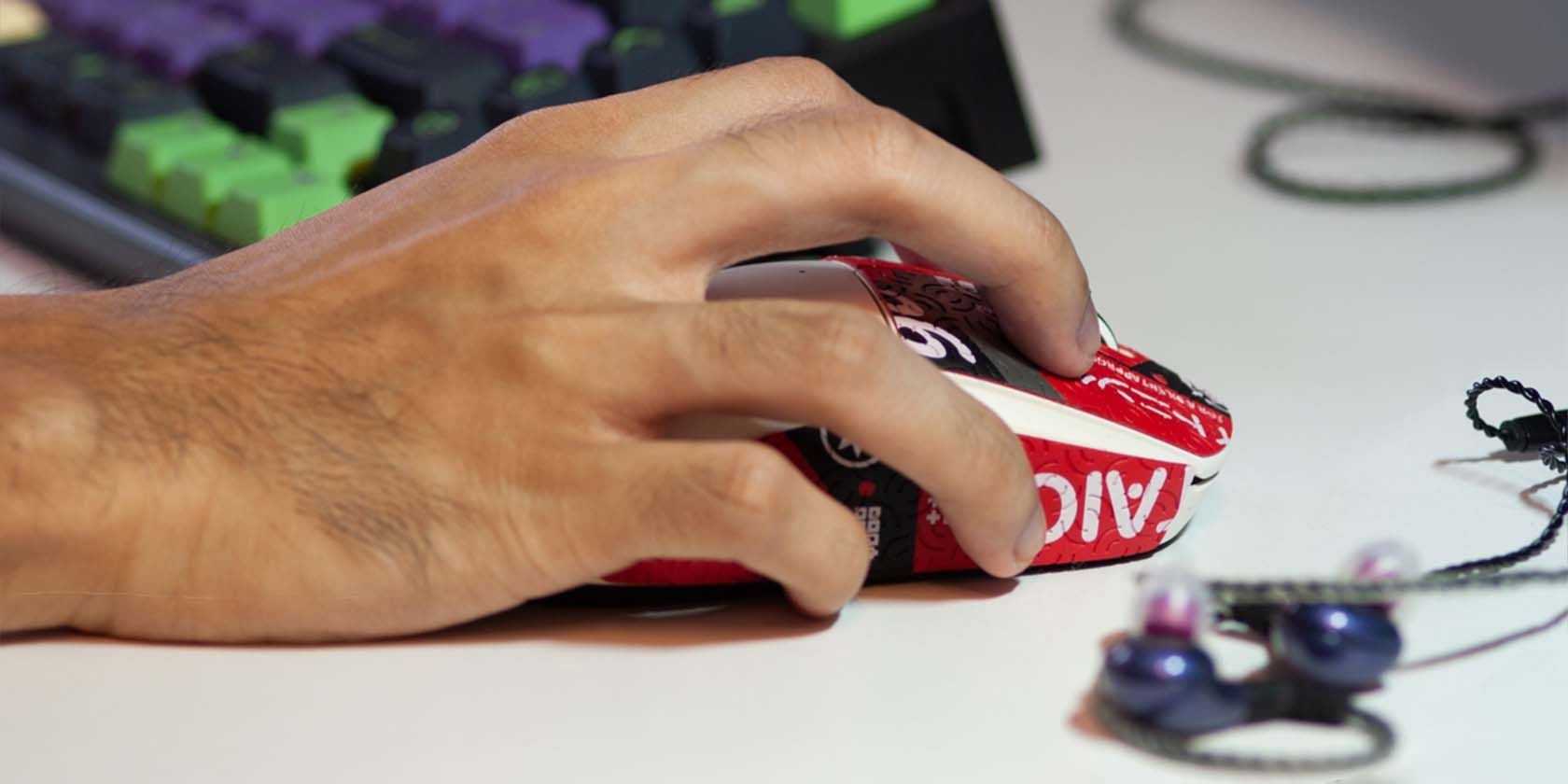
A Fingertip Grip provides maximum agility and speed, making it most advantageous for gamers who require extremely rapid, fine motor control and quick lift-offs. It's perfect for high-APM games or situations demanding lightning-fast flick shots and precise cursor movements using only the fingers. While it offers unparalleled responsiveness, it can be more fatiguing over long periods compared to other grips.
Why is proper wrist and arm posture crucial regardless of my chosen mouse grip?
Proper wrist and arm posture is crucial to prevent repetitive strain injuries like carpal tunnel syndrome or tendonitis, which can severely impact a gamer's ability to play. Maintaining a neutral, straight wrist and allowing arm movement for broader mouse actions distributes the workload, reduces pressure on nerves, and ensures long-term comfort and health, allowing busy gamers to enjoy their limited playtime without pain.
How do mouse DPI and sensitivity settings interact with different grip styles?
Mouse DPI (Dots Per Inch) and in-game sensitivity are tightly linked to grip style. Generally, a Palm Grip often pairs well with lower DPI/sensitivity settings, encouraging more arm movement for stable tracking. Claw and Fingertip grips, with their emphasis on finger and wrist movements, might favor slightly higher DPI/sensitivity for quicker micro-adjustments, but this is highly personal and requires fine-tuning to find the optimal balance for your playstyle.
What are the tell-tale signs that my current mouse grip is not optimal for me?
Signs your current grip isn't optimal include persistent wrist or hand pain, cramping fingers, inconsistent aim, difficulty making precise micro-adjustments, or excessive fatigue after short gaming sessions. If you find yourself over-gripping the mouse, frequently readjusting your hand, or experiencing frustration with your in-game performance that you suspect is not skill-related, it's a strong indicator to reassess your grip.
Can changing my mouse grip improve my performance in specific esports titles?
Yes, absolutely. In esports, where fractions of a second and millimeter precision matter, optimizing your mouse grip can significantly enhance performance. For fast-paced shooters or MOBA champions like League of Legends where quick reflexes are paramount, switching to a more agile grip like claw or fingertip can improve reaction times and accuracy, directly impacting your competitive edge and climbing the ranks.
Hey fellow gamers! Ever felt like your aim isn't quite right or your wrist aches after a few rounds? You're not alone. In the fast-paced world of 2026 gaming, where 87% of US gamers regularly spend 10+ hours a week unwinding with their favorite titles, optimizing your setup is more crucial than ever. Many of us balance gaming with jobs, families, and life's demands, so making every moment count, and comfortably so, is key. Whether you're a casual player enjoying a cozy game after a long day or a competitive warrior climbing the ranks in a major title, how you hold your mouse can dramatically impact your performance, comfort, and even prevent long-term strain.
Forget the hype about the latest RGB gear for a moment; let's talk fundamentals. Understanding how to hold a mouse for gaming properly isn't just about getting those headshots; it's about optimizing your natural mechanics, preserving your health, and ensuring you can keep enjoying the games you love without pain or frustration. This guide will break down the essential grip styles, explore the ergonomics behind them, and give you practical advice to find your perfect fit. We'll dive into why small adjustments can lead to big improvements in precision, speed, and endurance, helping you level up your gameplay and enjoy your precious gaming time more fully.
What are the main grip styles for holding a gaming mouse?
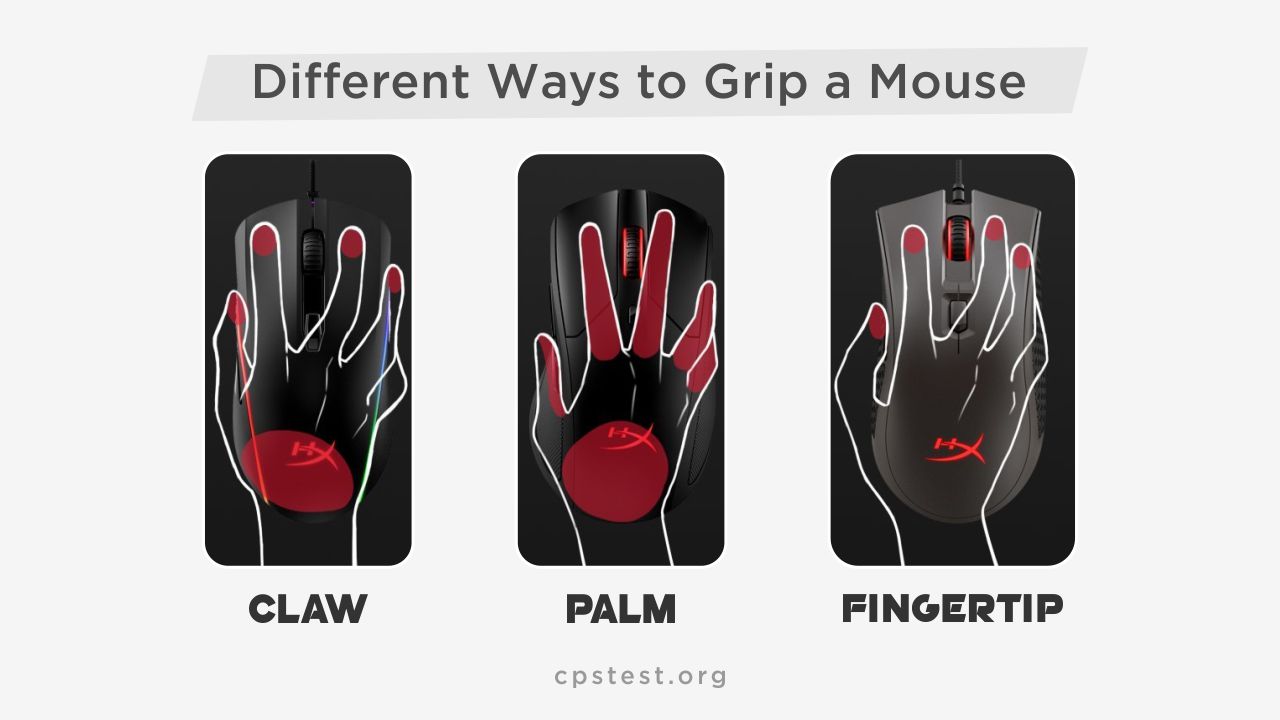
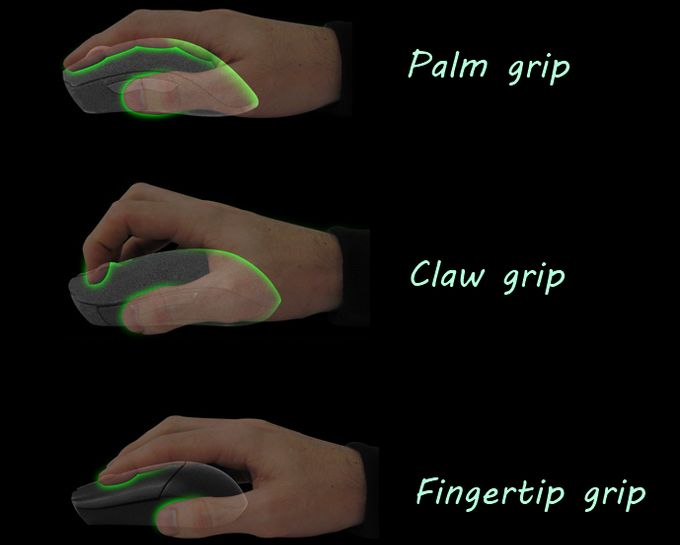
When it comes to how to hold a mouse for gaming, there are three primary grip styles: the Palm Grip, the Claw Grip, and the Fingertip Grip. Each has distinct characteristics that affect control, speed, and comfort. Understanding these is the first step to optimizing your setup. Many US gamers, especially those focused on competitive play, experiment with these to find what gives them an edge, whether they are on PC, or even looking for cross-play advantages with mobile devices. Your choice often depends on your hand size, mouse shape, and the type of games you play.
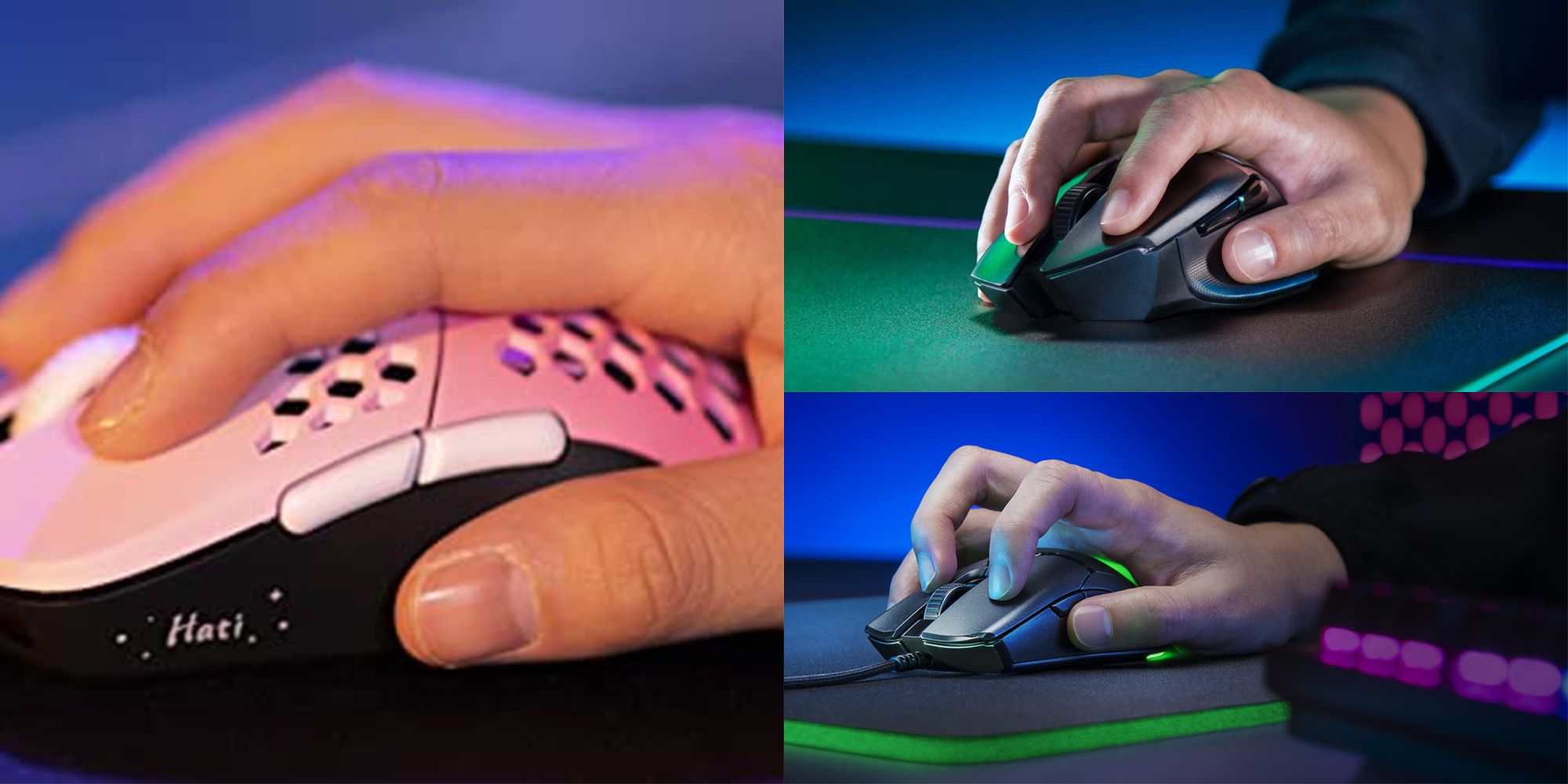
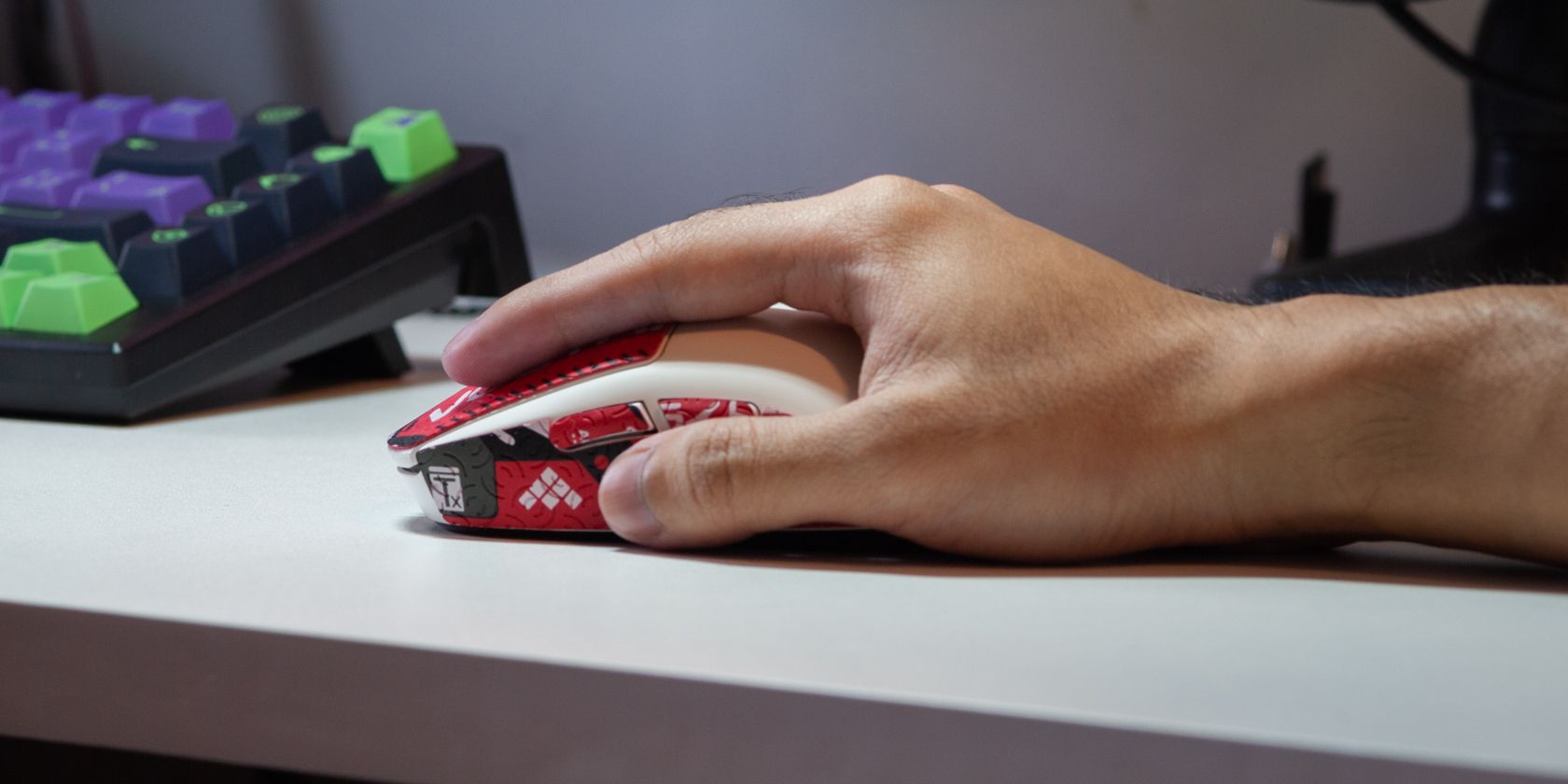
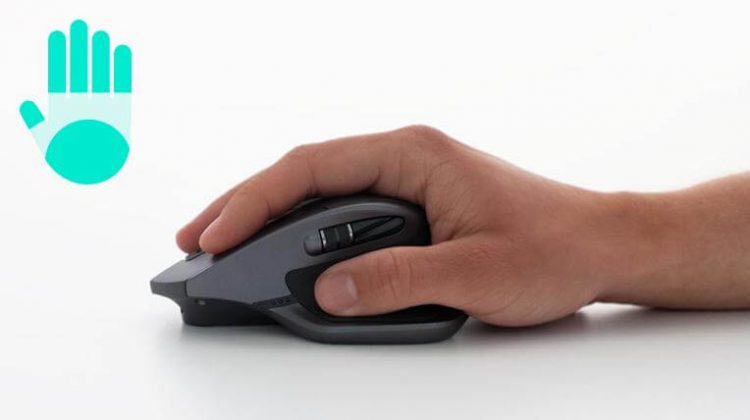
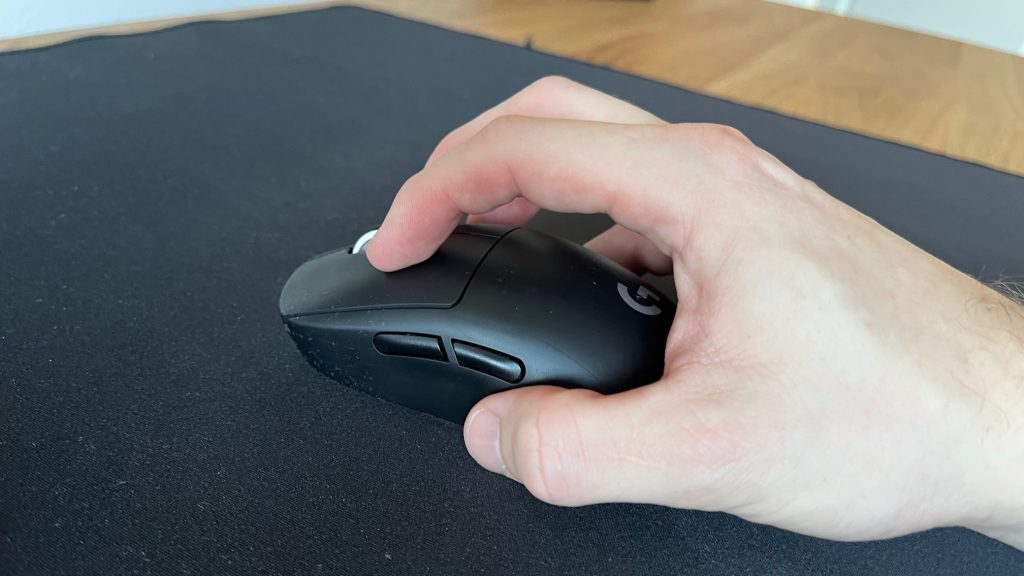
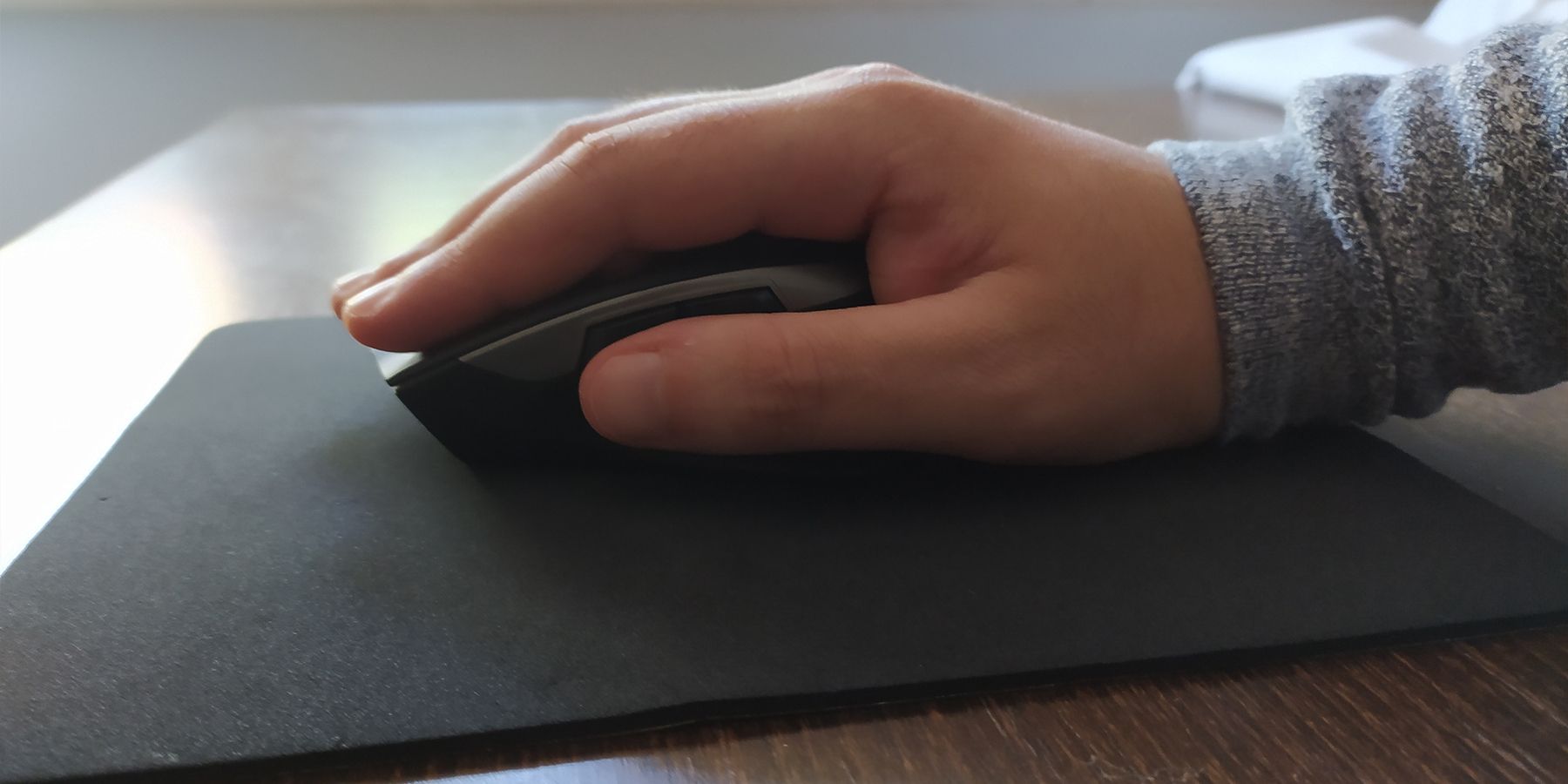
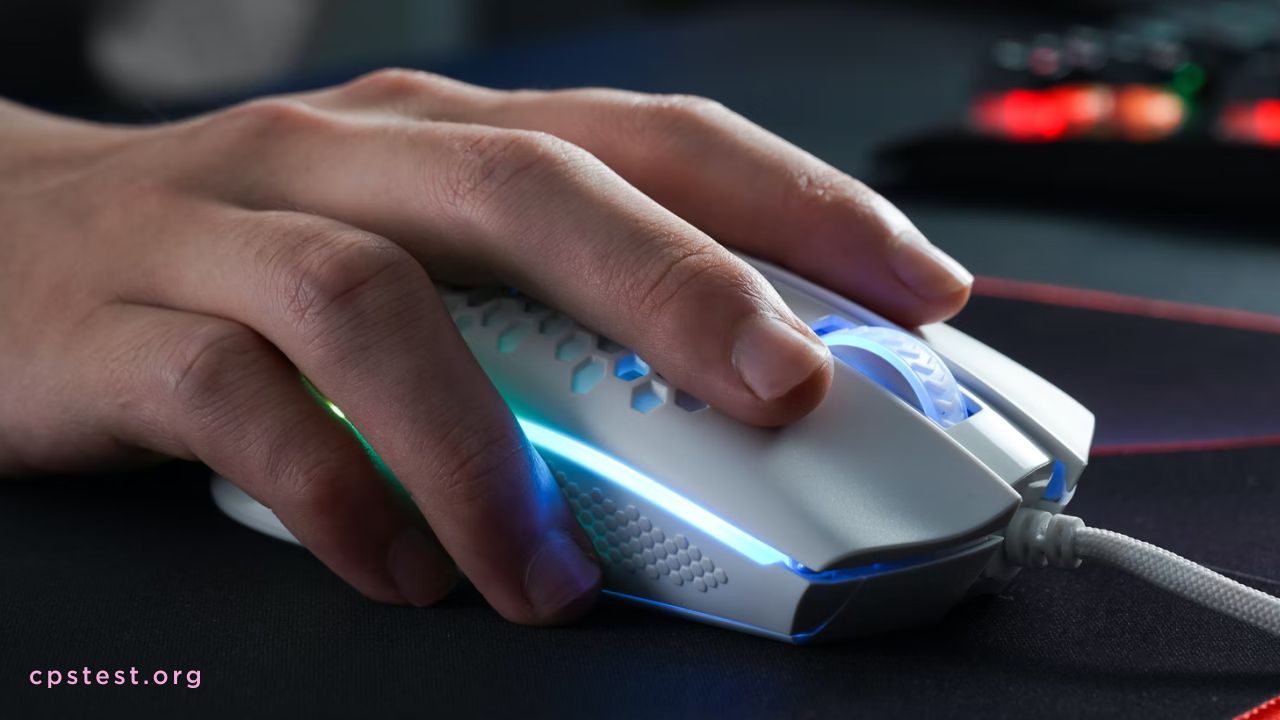
Palm Grip: This is perhaps the most common and comfortable grip, where your entire palm rests on the mouse body, and your fingers lie flat or slightly curved over the buttons. It provides maximum stability and comfort, making it excellent for games requiring precise tracking and less flicking, like RPGs or some strategy games. However, it can limit quick, micro-adjustments.
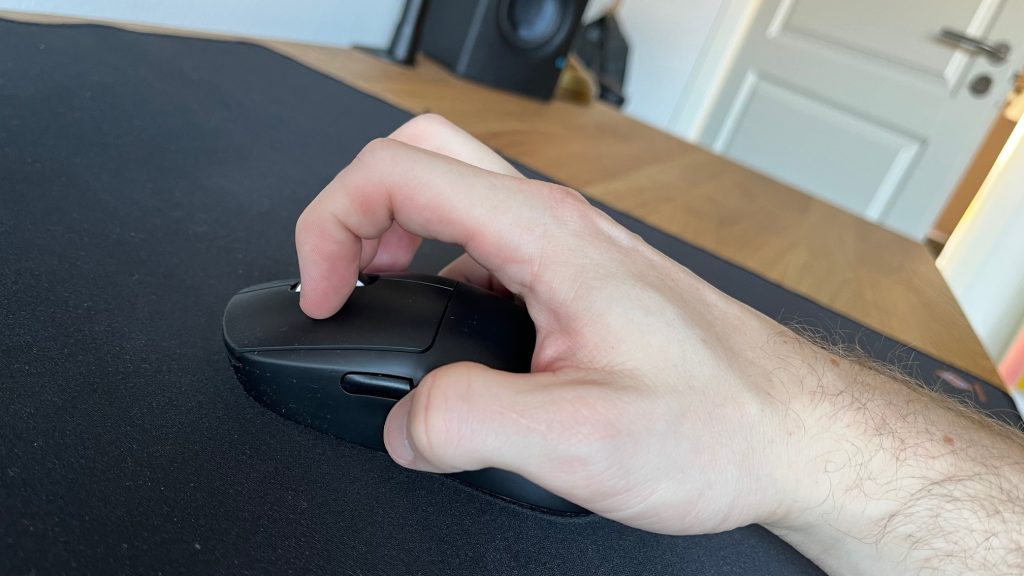
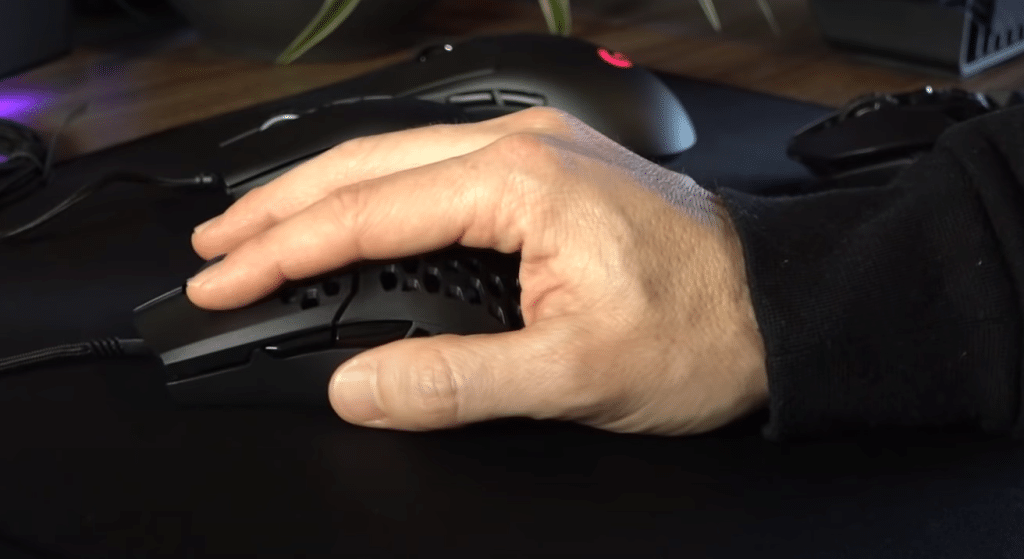
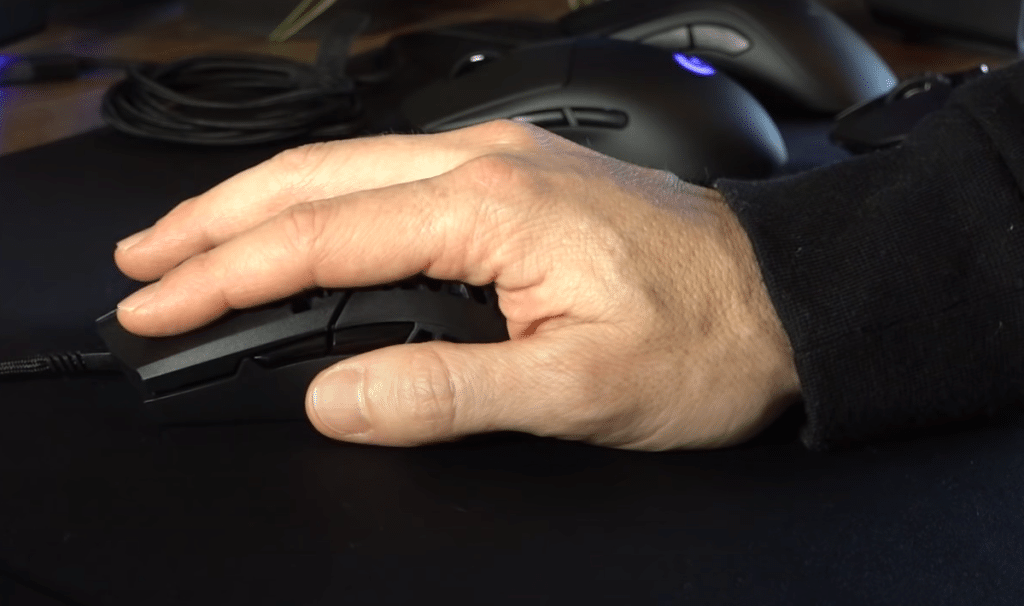
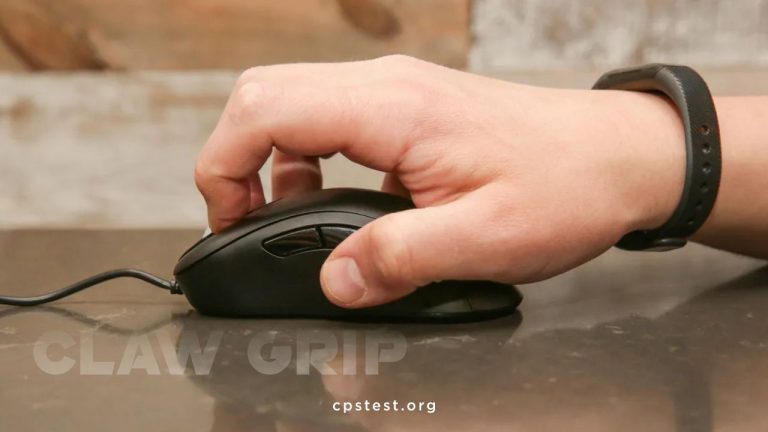
Claw Grip: The claw grip involves your palm resting only on the rear of the mouse, with your fingers arched sharply, almost like a claw, to press the buttons. Your wrist often rests on the mousepad, allowing for more precise vertical and horizontal movements from the fingers and wrist. This grip offers a good balance of stability and agility, making it popular among FPS players who need quick, precise flicks and tracking.
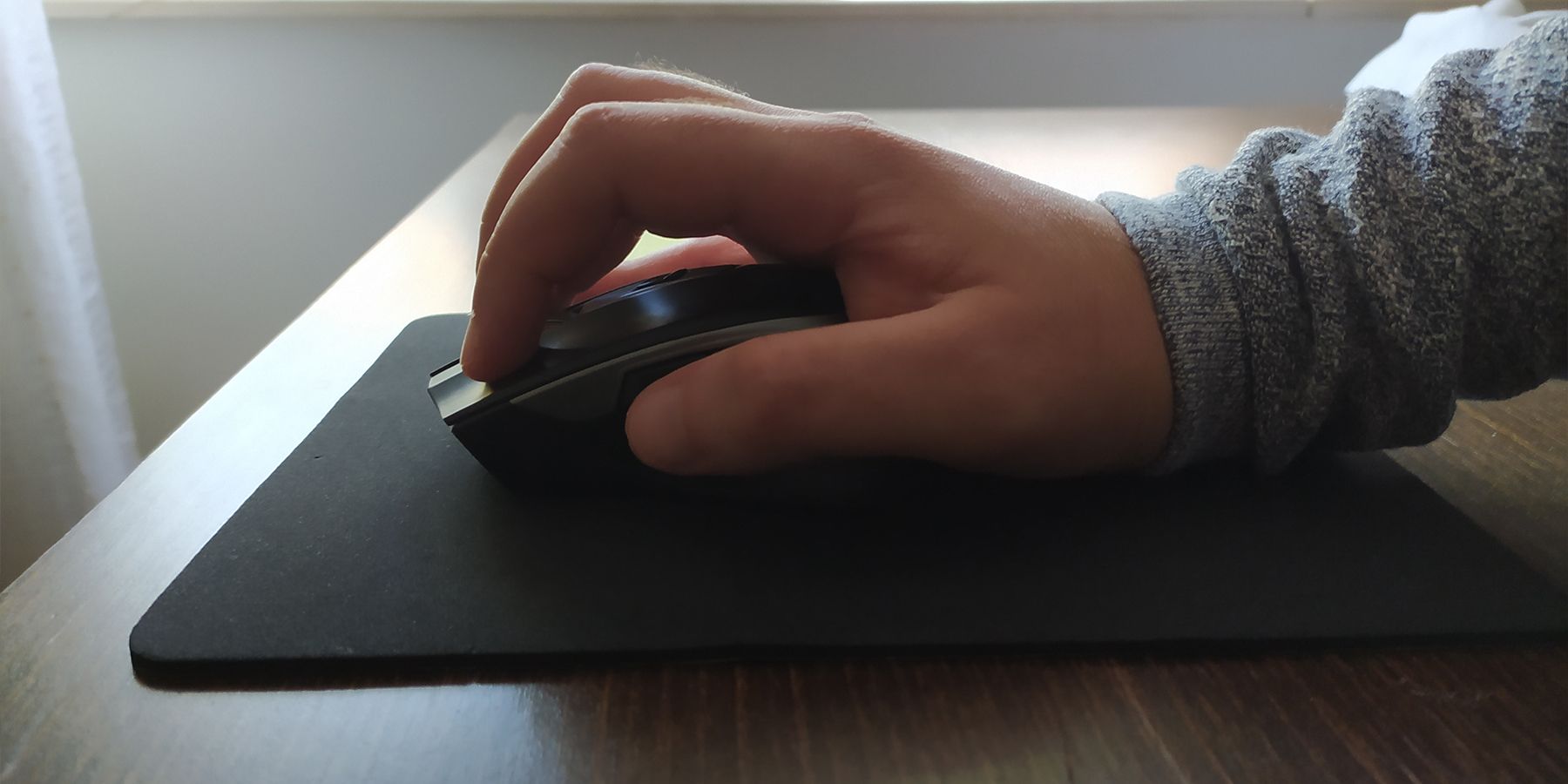
Fingertip Grip: With this grip, only your fingertips make contact with the mouse, holding it firmly. Your palm doesn't touch the mouse body, and your wrist typically floats above the mousepad. This grip provides the most agility and speed for micro-adjustments, as you can manipulate the mouse entirely with your fingers. It's fantastic for high-APM (Actions Per Minute) games and extremely fast-paced FPS titles, though it might sacrifice some stability and can be more fatiguing over long sessions.
How does choosing the right grip style impact gaming performance?
Your mouse grip fundamentally dictates your control over the cursor, influencing everything from reaction time to aim consistency. For busy gamers who might only have an hour or two to play, optimizing this detail means less frustration and more fun. The right grip can reduce fatigue, improve accuracy, and even boost your K/D ratio in competitive titles. For example, a player with a fingertip grip might excel in a game like Valorant where quick, precise flick shots are paramount, while a palm grip user might find more consistency in a slower-paced tactical shooter or when navigating complex UIs in an MMO.
Different games demand different types of mouse movement. In a fast-paced battle royale like Apex Legends, a claw or fingertip grip allows for rapid camera adjustments and quick target acquisition. Conversely, in a precision-heavy MOBA or a real-time strategy game, the stability of a palm grip might be more beneficial for consistent clicking and dragging. Understanding these nuances helps you tailor your approach, enhancing your specific gaming style and making your limited gaming time more effective. US gamers are always looking for an edge, and this foundational technique often gets overlooked.
What ergonomic considerations should I keep in mind to prevent pain and fatigue?
Gaming should be enjoyable, not painful. With an average age of US gamers around 36, and many balancing work and family, preventing strain is paramount. Poor posture or an incorrect grip can lead to issues like Carpal Tunnel Syndrome, wrist pain, or tendonitis. To mitigate these risks, ergonomic principles are your best friends. These aren't just for office workers; they're essential for anyone spending significant time at a desk, especially gamers.
First, ensure your wrist is straight and not bent upwards, downwards, or to either side. A bent wrist compresses nerves and tendons, leading to pain. Using a mouse that fits your hand size is crucial; too small, and your hand might cramp; too large, and it's hard to control. A proper mousepad, ideally one that's large enough for low DPI movements, can also prevent you from lifting your mouse too often. Consider a wrist rest if it helps maintain a neutral wrist position, but be careful not to rest your wrist *on* it while actively moving the mouse, as this can still restrict blood flow and create a pivot point for repetitive strain. The goal is smooth, natural movement from the elbow or shoulder, not just the wrist.
How can I determine the best mouse grip for my hand size and playstyle?
Finding your ideal grip is a personal journey, blending comfort with performance. It's about experimentation. Start by trying each of the three main grips (palm, claw, fingertip) for a few gaming sessions across different genres. Pay attention to how your hand feels, your accuracy, and your fatigue levels. Gamers frequently share insights on forums and Discord channels about their preferred setups, highlighting the communal aspect of skill-building.
Your hand size plays a significant role. Larger hands might gravitate towards a palm grip with a larger mouse, while smaller hands might find fingertip or claw grips on smaller mice more agile. Consider your dominant game genres: are you primarily an FPS player needing quick flicks, or a grand strategy enthusiast requiring precise clicks and long-term comfort? Don't be afraid to adjust. Even subtle changes in finger placement or the angle of your wrist can make a big difference. Many professional gamers continually refine their grip, demonstrating that perfection is often found through iterative improvement. Remember, what feels good for one game might not be optimal for another, so flexibility is key.
Should my mouse pad and desk setup influence my mouse grip?
Absolutely. Your entire gaming ecosystem plays a part in how comfortably and effectively you can hold your mouse. A large mouse pad is almost a necessity for most serious gamers, especially those using lower DPI settings for improved accuracy. With a large surface, you have ample room for broad arm swipes, reducing the need to lift and reposition your mouse frequently, which can disrupt your aim and lead to fatigue. This aligns with current trends where large, desk-mat style pads are extremely popular.
Your desk height and chair setup are equally important. Your forearm should be roughly parallel to the floor, forming a 90-degree angle at your elbow. This ensures your wrist remains neutral and reduces strain on your shoulders and neck. If your desk is too high or too low, it forces your wrist into unnatural angles. Adjusting your chair, desk, and monitor position collectively creates an ergonomic 'sweet spot' that supports your grip and overall gaming posture. It's all about creating a seamless connection between you and your input device, maximizing comfort and minimizing any physical barriers to peak performance.
Are there any common mistakes gamers make when holding their mouse?
Yes, many gamers, both new and experienced, fall into common pitfalls that hinder performance and can lead to long-term discomfort. One frequent mistake is gripping the mouse too tightly. A death grip might feel like it offers more control, but it actually introduces tension, reduces fine motor control, and accelerates fatigue. Try to maintain a relaxed but firm hold. Another error is relying solely on wrist movement for all aiming. While wrist flicks are important for micro-adjustments, larger movements should ideally come from your arm and shoulder, especially for low DPI settings. This distributes the workload and prevents repetitive strain on your wrist.
Ignoring ergonomics is another major oversight. Allowing your wrist to bend significantly, either up/down or side-to-side, puts immense pressure on nerves and tendons. Likewise, playing with an ill-fitting mouse (too big or too small for your hand) forces unnatural gripping patterns. Finally, inconsistency can be an issue. If you're constantly changing your grip without understanding why, you're preventing muscle memory from developing, which is crucial for consistent aim and reaction times. Practice deliberate grip consistency for better results.
Can a different grip style help with specific game genres or roles?
Definitely. Different grip styles lend themselves to specific demands within various game genres and even roles within a team. For example, in competitive First-Person Shooters (FPS) like CS:GO or Overwatch, a Claw Grip or Fingertip Grip is often favored by players who need rapid, precise flick shots and quick target acquisition. The increased finger and wrist mobility allows for faster micro-adjustments, which are critical for sniping or tracking fast-moving targets. This is why many esports pros, known for their insane APM, lean towards these grips.
Conversely, for games where stability and sustained precision are key, such as strategy games (RTS/MOBA), simulation titles, or even specific roles like a healer in an MMORPG who needs consistent clicking on allies, the more stable Palm Grip often provides superior comfort and reliability over extended sessions. It reduces twitchiness and promotes smooth, controlled movements. Furthermore, for games involving frequent cursor movements across a large screen, such as Diablo-like action RPGs, a grip that allows for comfortable arm movement, often supported by a low DPI setting and large mousepad, will be more effective. Experimenting with grip can truly unlock new levels of performance for your preferred playstyle and game genres.
How do I practice and get comfortable with a new mouse grip?
Adopting a new mouse grip isn't instant; it requires practice and patience, much like learning any new skill. Don't expect immediate results or to perform at your peak during the first few sessions. Your muscle memory needs time to adapt. Start by spending 15-30 minutes in a practice range or a non-competitive game mode with your new grip. Focus purely on the feel and consistency of your movements, rather than your scores. This allows your hand and brain to forge new neural pathways without the pressure of a match.
Gradually increase the time spent with the new grip, incorporating it into casual matches before moving to ranked play. Pay close attention to any discomfort; if a grip causes persistent pain, it's not the right one for you, regardless of its theoretical benefits. Many gamers find benefit from aim trainers like Aim Lab or Kovaak's, which allow for targeted practice on specific aiming mechanics. Remember, the goal is natural, fluid movement. Consistency over intensity is key. With dedicated practice, your new grip will become second nature, enhancing your gaming experience.
The world of gaming is constantly evolving, but foundational skills like how to hold a mouse for gaming remain timeless. By taking the time to understand and optimize your grip, you're not just improving your aim; you're investing in your long-term comfort and enjoyment. Whether you prefer the stability of a palm grip, the agility of a claw, or the lightning speed of a fingertip grip, finding your perfect fit will transform your gameplay. Remember to prioritize ergonomics, practice consistently, and don't be afraid to experiment to discover what truly works for you. Happy gaming!
What's your biggest gaming challenge when it comes to peripherals and comfort? Comment below!
FAQ Section
What is the most common gaming mouse grip? The Palm Grip is generally considered the most common gaming mouse grip, favored for its comfort and stability, where the entire palm rests on the mouse.
Does mouse grip affect aim? Yes, absolutely. Your mouse grip directly impacts your aiming precision, speed, and consistency by influencing how much control you have over micro-adjustments and large movements.
Can I switch between mouse grips for different games? Yes, many experienced gamers adapt their grip style based on the game genre or even the specific role they're playing, optimizing for either speed, precision, or comfort.
How can I prevent wrist pain while gaming? To prevent wrist pain, ensure your wrist is straight and neutral, use a mouse that fits your hand, and primarily move the mouse with your arm or shoulder rather than just your wrist for larger movements.
Is a claw grip better for FPS games? A Claw Grip is often preferred by many FPS players because it offers a good balance of stability and the agility needed for quick, precise flick shots and rapid micro-adjustments through finger movement.
Should my DPI affect my mouse grip choice? Yes, lower DPI settings often encourage more arm movement and can be paired effectively with a stable palm or claw grip, while higher DPIs might benefit from the fine control offered by a fingertip grip.
Master various gaming mouse grip styles palm claw fingertip, Optimize mouse hold for better aim and comfort, Understand how grip impacts different game genres, Learn ergonomic tips to prevent gaming fatigue, Discover ideal mouse settings for your grip type.
35

How To Hold A Mouse Properly Palm Claw Fingertip 2026 How To Hold A Mouse . How To Hold Mouse For Fps At Benjamin Downie Blog Different Ways To Grip A Mouse . How To Hold A Mouse For Gaming Claw Fingertip Palm Grip How To Hold A Mouse For Gaming 1 1024x512 . How To Hold A Mouse For Gaming . Best Way To Hold Mouse Gaming At Molly Carmichael Blog How To Hold A Gaming Mouse 1024x682

How To Properly Hold Your Mouse For Work Or Playing FPS Games Tech2Geek Img. Gaming Mouse Grips At Ruth Leal Blog Gaming Mice Grips . Computer Mouse Grip Styles At Caitlyn Buvelot Blog Palm Grip From The Side.JPG. How To Properly Hold A Gaming Mouse Com IMG 6064 1024x576 . How To Hold A Mouse For Gaming AQAL How To Hold A Mouse 750x420
How To Properly Hold A Gaming Mouse Com IMG 6062 1 1024x576 . How To Hold A Gaming Mouse Mastering The Art Of Gaming 2024 Use The Palm Grip 1024x576 . Best Way To Hold Mouse Gaming At Molly Carmichael Blog Best Claw Grip Gaming Mouse . How Should You Hold Your Gaming Mouse Mouse Grips Explained Right Side Of Hand Holding Mouse . How To Hold A Gaming Mouse Palm Grip Gaming Mouse Example
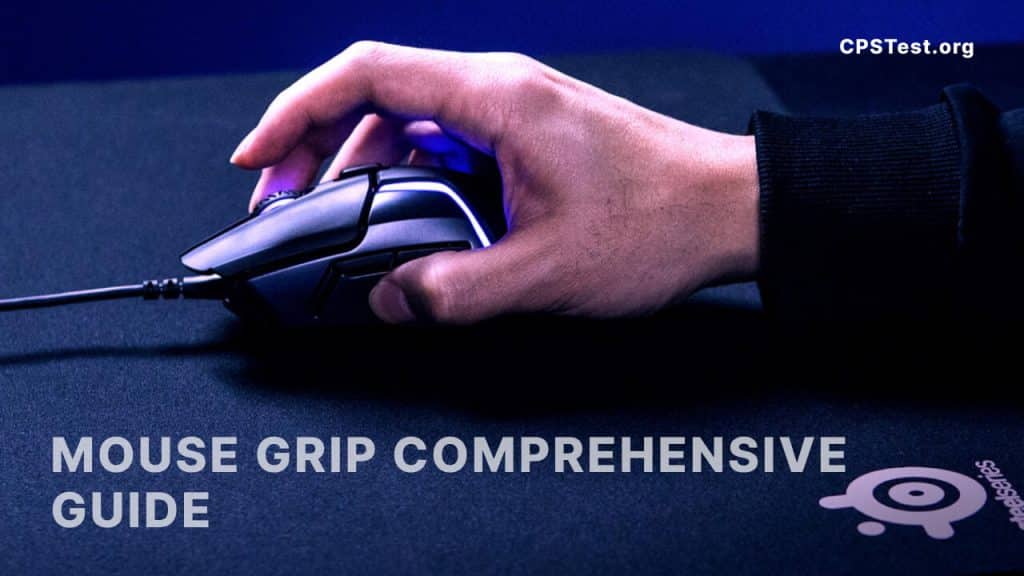

How To Hold Mouse Valorant At Lucy Sutcliffe Blog Fingertip 1024x559 . How To Hold Mouse For Fps At Benjamin Downie Blog Palmgrip 1024x606 . How To Hold A Gaming Mouse Claw Grip Gaming Mouse New . Mouse Grip Styles Master Your Game For Ultimate Precision Mouse Grip Style 1024x576 . Gaming How To Hold Mouse Guide By HTP YouTube


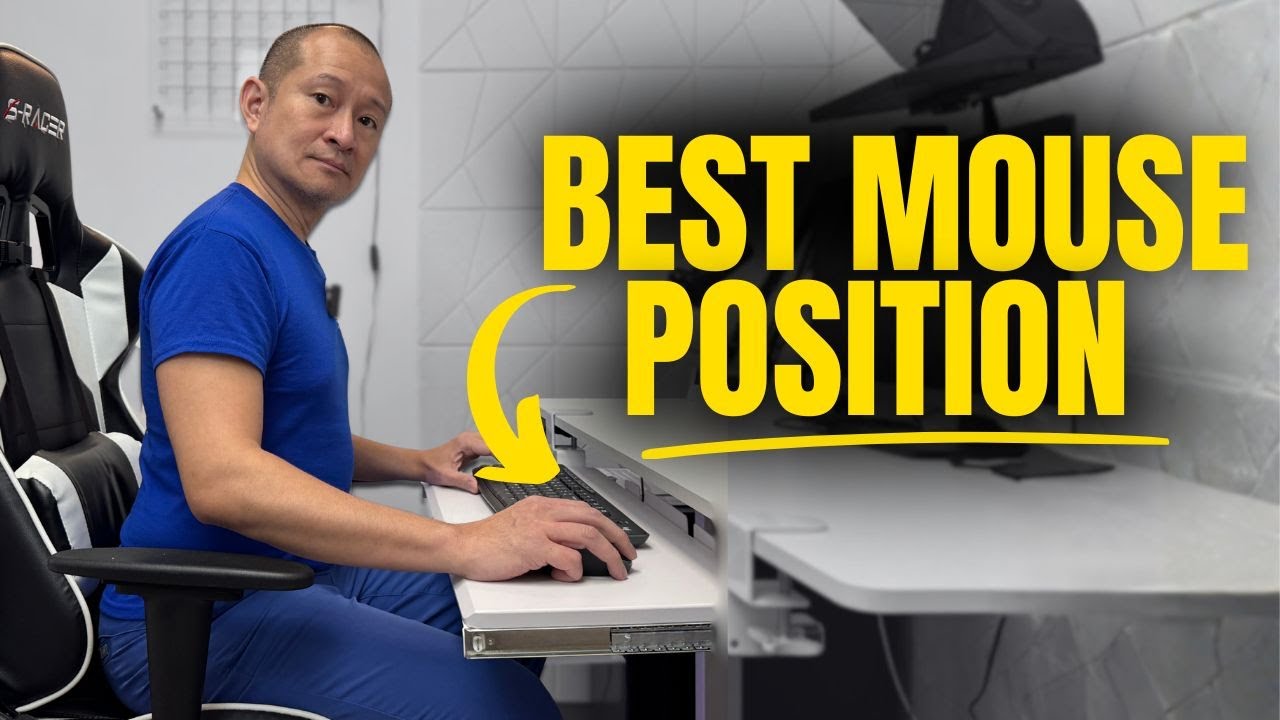

How To Hold A Mouse For Gaming And Why It Makes A Difference WTFast Blog 1 . What Does Proc Mean In Gaming How To Hold A Mouse For Gaming 1024x576 . How To Properly Hold Your Mouse For Work Or Playing FPS Games Tech2Geek Img. Best Mouse Placement For Typing Avoid Wrist Pain YouTube . How To Hold A Mouse For Gaming How To Hold A Mouse For Gaming 29057


Mouse Jigglers Keep Your PC Awake With Apps Macros And Tools PC Guide How To Change Mouse DPI 768x480 . Is Your Mouse Grip Holding You Back YouTube . CS2 Interp Settings Guide DMarket Blog Thumb . Keep Your Mouse In Top Shape How To Maintain Your Gaming Mouse Tips For South African Gamers.webp. How To Hold A Mouse For Gaming DesktopEdge How To Hold A Mouse For Gaming 721 4



How Do You Hold Your Mouse PC Gamer . How To Hold A Gaming Mouse Mastering The Art Of Gaming 2024 Use The Claw Grip 768x432 . How To Properly Hold Your Mouse For Work Or Playing FPS Games Tech2Geek Img. How To Hold A Gaming Mouse Mastering The Art Of Gaming 2024 How To Correctly Hold A Gaming Mouse . How To Hold Mouse Cable At Jon Lefebre Blog Holding A Gaming Mous