Navigating the complex world of PC building can feel like a boss battle itself, especially when you are a busy gamer balancing work family and the desire to dive into the latest virtual worlds. This comprehensive guide simplifies the pc builder based on games process helping you optimize performance for your favorite titles without breaking the bank or wasting precious gaming time on troubleshooting. Discover how to choose components that genuinely enhance your gameplay understand the real impact of CPU and GPU on frame rates and make smart upgrade decisions. We cut through the hype to deliver practical actionable advice ensuring your next gaming rig is not just powerful but perfectly tailored to your unique playstyle and the games you love keeping you current with 2026 trends and beyond. Get ready to build smarter game harder and maximize your value.
Related games- Guide Endorse Models Roblox Unlock Potential
- Guide to Roblox Competitions Mastering Your Game
- Guide Roblox Website Games: Play Create Explore
How do I choose the right CPU for my specific games?
When selecting a CPU for your pc builder based on games, consider the types of games you play. For competitive esports (CS2, Valorant), single-core speed often matters more, so a modern i5 or Ryzen 5 with high clock speeds is excellent. For demanding open-world games or simulations with many NPCs/physics (Starfield, Microsoft Flight Sim), more cores and threads (i7/Ryzen 7) provide smoother performance and better multitasking. Always balance CPU power with your GPU; a powerful CPU will not compensate for a weak GPU in most gaming scenarios. In 2026, both Intel's 14th/15th gen and AMD's Ryzen 7000/8000 series offer fantastic gaming performance.
What GPU is essential for smooth 1440p gaming in 2026?
For smooth 1440p gaming at 60+ FPS in 2026, especially with high settings and ray tracing, you will want at least an NVIDIA RTX 4070/4070 Ti or an AMD RX 7800 XT/7900 XT. If you are targeting high refresh rates (144Hz+) in 1440p, stepping up to an RTX 4080 Super or RX 7900 XTX will provide a much more comfortable experience in demanding titles. These GPUs offer a strong balance of VRAM, raw power, and support for upscaling technologies like DLSS or FSR, which are crucial for maintaining high frame rates.
Is 32GB RAM overkill for a dedicated gaming PC?
In 2026, 32GB of RAM is becoming the sweet spot rather than overkill for a dedicated gaming PC. While 16GB still works for many games, titles are increasingly demanding more, especially with background apps (Discord, browser, streaming software) running. 32GB DDR5 RAM provides ample headroom for current and future games, improves multitasking, and prevents potential stuttering from memory bottlenecks, ensuring a smoother overall experience without a significant cost increase.
How important is storage type (SSD vs NVMe) for game loading times?
The storage type is incredibly important for game loading times, and NVMe SSDs are now essential. NVMe drives are significantly faster than traditional SATA SSDs and vastly superior to old HDDs. Games increasingly leverage NVMe speeds for texture streaming and asset loading, which reduces loading screens and can even prevent in-game stutters. For a modern gaming PC, an NVMe SSD (1TB minimum) should be your primary drive for the OS and frequently played games, with larger SATA SSDs or HDDs for bulk storage if needed. DirectStorage technology further amplifies the benefits of NVMe.
What power supply wattage do I need for a high-end gaming build?
For a high-end gaming build with a powerful CPU (e.g., i7/i9 or Ryzen 7/9) and a top-tier GPU (e.g., RTX 4080 Super/4090 or RX 7900 XTX), you will typically need a power supply unit (PSU) with at least 850W to 1000W. Always use a PSU calculator to estimate your system's power draw and then add a 20-30% buffer for efficiency and future upgrades. Opt for a reputable brand with an 80 Plus Gold or Platinum rating for reliability and efficiency. Do not skimp on the PSU; it is the heart of your system.
Should I prioritize CPU or GPU for competitive esports titles?
For competitive esports titles (e.g., CS2, Valorant, Overwatch 2) where high frame rates (144Hz+) are paramount, you need a balanced system with a strong CPU and a capable GPU. While the GPU renders frames, the CPU handles game logic, physics, and input processing, which are critical for consistently high frame rates in these less graphically intensive but CPU-bound scenarios. Prioritize a modern mid-range to high-end CPU (i5/Ryzen 5 or better with high clock speeds) and pair it with a GPU (e.g., RTX 4060/4070 or RX 7700 XT/7800 XT) that can easily push 144+ FPS at your desired resolution. Fast RAM is also crucial here.
How can I cool my gaming PC effectively to prevent throttling?
Effective cooling is vital for sustained performance and longevity. For a pc builder based on games, start with good case airflow: ensure a balanced setup of intake and exhaust fans. For the CPU, a capable air cooler is excellent for mid-range chips, while high-end or overclocked CPUs often benefit from AIO (All-In-One) liquid coolers. GPUs come with their own cooling, but good case airflow assists them greatly. Monitor your temperatures using software like HWMonitor. Proper thermal paste application and ensuring fans are clean and unobstructed are also crucial for preventing thermal throttling and maintaining peak performance during long gaming sessions.
Are you a gamer who often finds yourself scrolling through forums late at night, wondering if your current PC can handle that exciting new release, or if an upgrade is truly worth the hassle? We get it. For the average US gamer, around 36 years old, who balances a job, family, and a precious few hours of relaxation with friends online, the idea of building a new PC or even upgrading feels daunting. You want to play the games you love – maybe it is the latest high-fidelity RPG, a fast-paced competitive shooter, or a cozy co-op experience – without the frustration of stuttering frame rates or endless loading screens. You value performance, but also smart spending and seamless fun over endless tweaking. That is why understanding how to approach a pc builder based on games is crucial.
In 2026, with an impressive 87% of US adults regularly engaging with video games and spending an average of 10+ hours a week in virtual worlds, a high-performing, reliable machine is not just a luxury; it is essential for unwinding and connecting. But with new hardware constantly emerging and game requirements shifting, how do you make informed decisions? This guide cuts through the noise. We will show you how to build or upgrade a PC perfectly tuned for your gaming habits, ensuring every dollar spent enhances your enjoyment, whether you are social gaming on Discord, diving into a demanding VR experience, or simply chilling with a free-to-play favorite like Palworld. Let us make your next build a victory, not a headache.
How do I start planning my gaming PC build based on games I play?
The first step in any successful pc builder based on games journey is identifying your primary gaming diet. Are you all about AAA single-player blockbusters at ultra settings, competitive esports where every frame counts, or perhaps a mix of social co-op titles and creative games? Your game library dictates component priorities. For example, graphically intensive open-world games demand a powerful GPU and ample RAM, while CPU-heavy strategy games or simulations benefit more from higher core counts and faster clock speeds. Make a list of your top 5-10 most played or anticipated games, and then check their recommended system requirements, not just minimums. This gives you a performance baseline to aim for, helping you avoid overspending on features you do not need or underspending on critical components.
Consider your desired resolution and refresh rate too. Targeting 4K resolution at 60fps is a different beast than 1080p at 144fps. Understanding this target helps you narrow down GPU options significantly. Do not forget the popular trend of cross-play; many gamers utilize both PC and console, so ensuring your PC covers what consoles cannot (or does it better) can be a smart approach. This month, many gamers are enjoying cooperative building in Enshrouded, which benefits from a balanced CPU/GPU.
What are the core components I need for a game-centric PC?
Every gaming PC revolves around a few key players. At the heart is the CPU (Central Processing Unit), the brain handling game logic, AI, and background tasks. Next, the GPU (Graphics Processing Unit), often called the graphics card, is the muscle rendering visuals; this is usually the single most expensive and critical component for gaming performance. Then comes RAM (Random Access Memory), providing short-term data storage for active applications and games, impacting multitasking and loading. Storage (NVMe SSD is now standard) ensures lightning-fast game loads. The Motherboard connects everything, while the Power Supply Unit (PSU) fuels it all. Finally, a good Case provides airflow and houses your components, and effective Cooling prevents thermal throttling.
Each component plays a vital role in how well your pc builder based on games performs. Neglecting one area to save a few bucks can create a bottleneck, limiting the performance of other, more expensive parts. For instance, a top-tier GPU paired with a weak CPU will not perform to its full potential, leading to frame rate drops even in less demanding scenes. It is about creating a balanced system where all parts work in harmony.
How much should I realistically budget for a gaming PC in 2026?
The beauty of building a PC is scalability, but also its biggest challenge. For a solid gaming experience in 2026, targeting modern titles at 1080p high settings or 1440p medium settings, a budget of $800 - $1200 USD for the tower alone is a good starting point. This range allows for a capable mid-range CPU, a strong mid-to-high-range GPU, 16GB of fast RAM, and a decent NVMe SSD. Stepping up to $1500 - $2000 opens doors to high-refresh-rate 1440p gaming or entry-level 4K, with better components and more future-proofing. For enthusiasts wanting uncompromised 4K performance, high-end streaming, or VR, budgets can easily exceed $2500.
Remember, your budget is not just for internal components. Factor in peripherals like a monitor (crucial for maximizing frames), keyboard, mouse, and a good headset for social gaming on platforms like Discord. Many gamers also forget the cost of the operating system. Smart budgeting means allocating funds where they matter most for *your* specific games, not just chasing the highest numbers on every spec sheet.
Which games dictate the most demanding PC specs today?
In 2026, graphically intensive AAA titles continue to push hardware limits. Games like Cyberpunk 2077, Alan Wake 2, Starfield, and the latest iterations of major franchises (e.g., The Witcher, Grand Theft Auto, Call of Duty) often serve as benchmarks. These titles typically demand a high-end GPU, a modern multi-core CPU, and 32GB of RAM for optimal performance, especially at higher resolutions with ray tracing enabled. Open-world games with extensive draw distances and detailed environments are particularly GPU-intensive.
Beyond raw graphics, certain simulation games (like Microsoft Flight Simulator or Factorio with massive builds) can be incredibly CPU-heavy, requiring strong single-core performance and numerous threads. VR games, a growing segment, also add unique demands, often requiring a robust GPU and a stable framerate to prevent motion sickness. Keep an eye on new releases this month; developers are continually innovating, making system requirements a moving target. Esports titles like Valorant, CS2, or Apex Legends, while less graphically demanding, require a PC that can consistently deliver very high frame rates (144Hz+) to give competitive players an edge, which means a balanced CPU/GPU pairing and fast RAM are key.
How do I ensure my build is future-proof for upcoming titles?
True future-proofing is a myth in PC gaming; technology evolves too quickly. However, you can make smart decisions to maximize your PC's longevity. Focus on the core components: invest in the best GPU you can comfortably afford, as it has the biggest impact on gaming performance. Choose a CPU on a newer platform (like AM5 for AMD or LGA1700 for Intel) that allows for future CPU upgrades without replacing the motherboard and RAM. Aim for 32GB of fast DDR5 RAM, as 16GB is becoming the minimum for many new titles and 32GB offers a comfortable buffer for multitasking and future games.
Opt for a high-wattage, reputable Power Supply Unit (750W-850W or more for high-end builds) with good efficiency ratings; this provides headroom for future, more power-hungry GPUs. A case with excellent airflow will also serve you well, preventing thermal issues with hotter components. While you might not play every single new game on ultra settings years down the line, these choices mean your PC will remain capable of handling new releases at playable settings for a good 3-5 years, providing great value for your investment.
Are pre-built gaming PCs a good option for busy gamers?
For many busy gamers who value their limited time and want a plug-and-play experience, pre-built gaming PCs are an excellent and increasingly competitive option. The average gamer, around 36, juggling life and work, might not have the hours to research components, troubleshoot builds, or hunt for deals. Pre-builts offer convenience, often come with warranties for the entire system, and are professionally assembled and tested. This means less stress about setup issues and more time for actual gaming.
However, the trade-off can sometimes be a slight price premium compared to building yourself, or potential bottlenecks where one component (like a lower-tier PSU or slower RAM) does not quite match the power of the main CPU/GPU. In 2026, many reputable system integrators offer highly customizable pre-builts, allowing you to choose core components while still benefiting from professional assembly. Carefully read reviews, compare specs component-by-component, and look for companies known for good customer service and transparent component lists to ensure you are getting a balanced system and good value. For many, the peace of mind and time saved make a fantastic choice.
How can I balance performance and value for money?
Balancing performance and value is an art form in PC building. It starts with understanding diminishing returns: the performance gains from ultra-high-end components often are not proportional to their significant price increase. Focus on the sweet spot. For GPUs, this usually means targeting the upper-mid-range cards from NVIDIA or AMD; they offer excellent performance per dollar for 1440p gaming, which is increasingly popular among US gamers. For CPUs, a mid-range i5 or Ryzen 5 processor often delivers more than enough gaming performance without the premium of an i7/i9 or Ryzen 7/9, especially when the budget is tight.
Do not skimp on the Power Supply Unit (PSU) or cooling; reliability here saves headaches down the line. Look for sales and bundles, especially around major holidays. Consider buying slightly older, but still highly capable, generations of components if the price drop is significant. For example, last year is flagship GPU might offer 90% of this year is performance at 60% of the cost. Prioritize a fast NVMe SSD for your operating system and favorite games; a larger, slower HDD can still be used for bulk storage. Smart shopping and careful component matching are key to a high-value pc builder based on games.
What are the latest trends in gaming hardware that impact my build?
The gaming hardware landscape in 2026 is dynamic. One major trend is the continued rise of AI-powered upscaling technologies like DLSS (NVIDIA) and FSR (AMD), which allow GPUs to render games at lower resolutions and intelligently upscale them, delivering near-native image quality with significantly higher frame rates. This means even mid-range GPUs can punch above their weight, especially with ray tracing enabled. Secondly, faster RAM (DDR5) is becoming standard, offering bandwidth improvements that benefit modern CPUs, though the performance gain over high-speed DDR4 is game-dependent. Thirdly, NVMe SSDs are almost universally adopted, making SATA SSDs and HDDs secondary storage options. DirectStorage technology is also gaining traction, accelerating game loading by allowing the GPU to access storage directly.
Furthermore, hybrid CPU architectures (like Intel's Performance/Efficiency core design) are evolving, optimizing task distribution. Improved cooling solutions (more efficient air coolers, integrated AIOs) are essential as components become more powerful and generate more heat. Lastly, eco-friendliness and power efficiency are increasingly considered by manufacturers, leading to more optimized power draw for performance. Understanding these trends helps you make informed decisions when planning your pc builder based on games, ensuring you are investing in current and future-relevant technologies.
How do I optimize my PC for both gaming and social activities?
For many gamers, especially those around 36 balancing life, gaming is not just about solo adventures; it is a social hub. Think Discord calls with friends, co-op sessions, or even light streaming. Optimizing your PC for both means ensuring you have sufficient CPU cores and RAM to handle gaming alongside multiple background applications smoothly. A good quality microphone and headset are non-negotiable for clear communication. Look for motherboards with integrated Wi-Fi 6E or a reliable wired Ethernet connection for stable online performance.
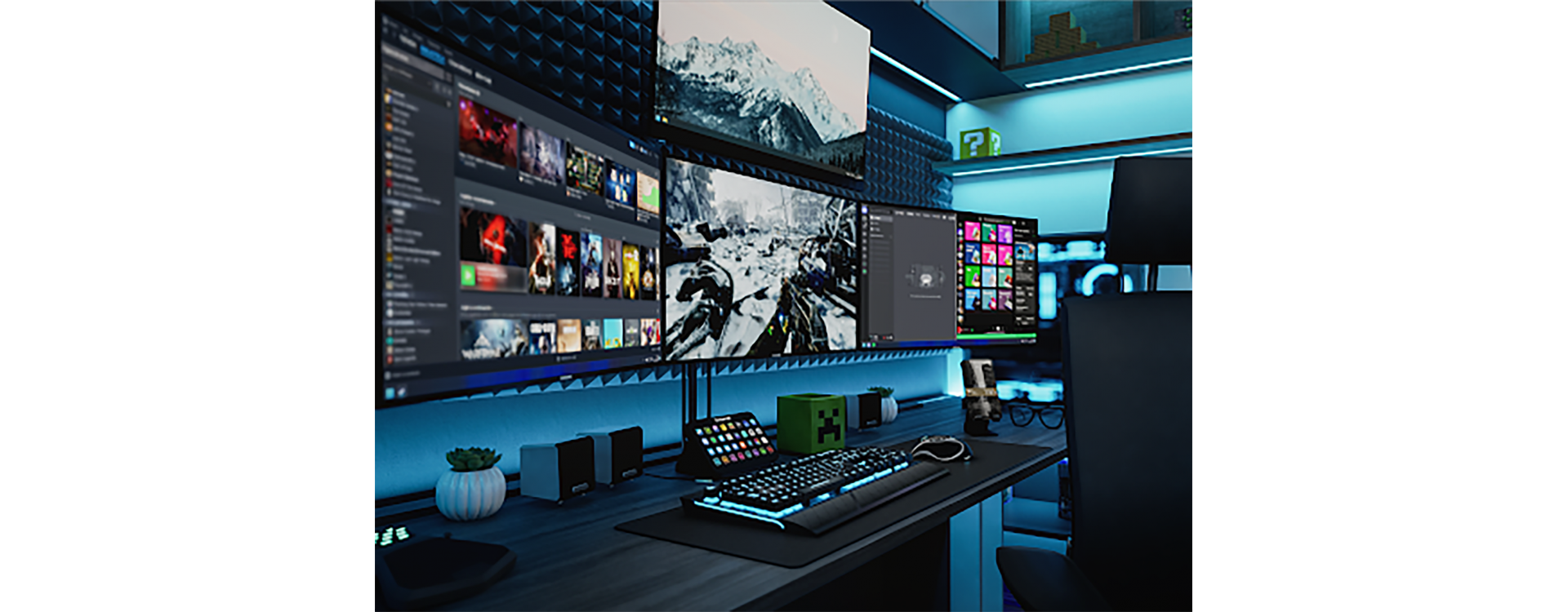
A multi-monitor setup can be a game-changer: one for your game, another for Discord, Twitch chat, or a web browser. Ensure your GPU has enough display outputs and that your CPU can handle the additional workload without impacting game performance. SSDs for quick application loading are crucial. Consider investing in a comfortable chair and good lighting for long sessions, especially if you spend a lot of time socializing in games like Palworld, Fortnite, or even dedicated social platforms. Your PC should be a comfortable, powerful extension of your social life, not a barrier.
What are common setup issues and how can I avoid them?
Even seasoned builders run into snags, but many common setup issues for a pc builder based on games can be avoided with patience and research.
First, compatibility issues: Always use PCPartPicker.com or a similar tool to ensure all your selected components (CPU, motherboard, RAM, GPU, PSU, case) are compatible before buying. It flags potential problems.
Second, cabling mistakes: Double-check all power connections (24-pin motherboard, 8-pin CPU, PCIe power for GPU) and data cables (SATA/NVMe). Ensure RAM is seated correctly in the right slots (check motherboard manual for dual-channel placement).
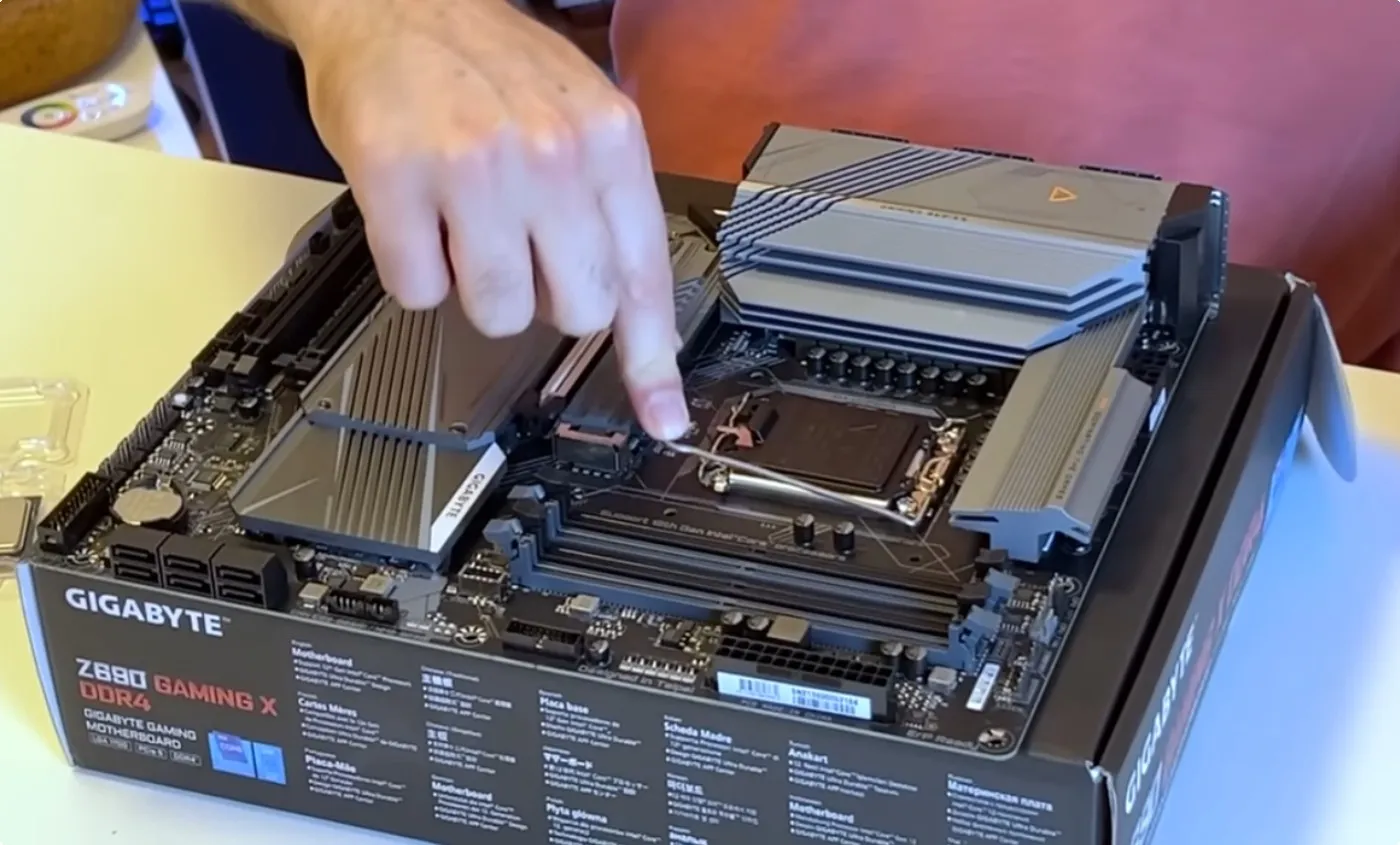
Third, thermal paste application: Ensure you apply thermal paste correctly on the CPU before installing the cooler. Too much or too little can lead to overheating.
Fourth, BIOS/UEFI settings: After the first boot, enter the BIOS to enable XMP/EXPO for your RAM (to run at its advertised speed) and ensure your boot drive is correctly recognized.
Fifth, driver installation: Once Windows is installed, immediately download and install the latest GPU drivers from NVIDIA or AMD's official websites. Chipset drivers from your motherboard manufacturer are also important. Outdated drivers are a frequent cause of poor performance or crashes.
Sixth, airflow issues: Ensure your case fans are oriented correctly (intake vs. exhaust) to create positive or neutral air pressure for optimal cooling.
Taking your time, following online build guides (many excellent video tutorials exist), and double-checking every step will save you immense frustration. Remember, it is a marathon, not a sprint.
FAQ Section
For those quick questions, here is a rundown of common inquiries about building a PC for games.
What is the most important component for gaming performance?
The Graphics Processing Unit (GPU) is overwhelmingly the most critical component for gaming performance, especially at higher resolutions and settings. It handles rendering all the visuals you see on screen, directly impacting your frame rates and graphical fidelity in games.
Is 16GB of RAM enough for gaming in 2026?
While 16GB of RAM can still suffice for many games, 32GB is rapidly becoming the recommended standard for new AAA titles, especially when multitasking, streaming, or running demanding background applications. For future-proofing, 32GB DDR5 is ideal.
Should I buy Intel or AMD for gaming?
Both Intel and AMD offer excellent gaming CPUs. AMD often provides strong multi-core performance and good value, while Intel frequently holds a slight edge in raw single-core gaming performance, though this varies by generation and specific game. Choose based on your budget and specific game priorities.
How often should I upgrade my gaming PC?
Most gamers find a significant upgrade cycle every 3-5 years is ideal to stay current with new titles without constant expenditure. Targeted upgrades, like a new GPU, can extend this lifespan, but a full platform refresh (CPU, motherboard, RAM) is typically needed after 5-7 years.
Do I need an expensive cooling system?
For mid-range CPUs and general gaming, a good air cooler is often sufficient and cost-effective. High-end CPUs, especially those that are overclocked or pushed hard, benefit more from AIO liquid coolers or larger air coolers to maintain optimal temperatures and boost performance.
What resolution should I target for gaming?
Most US gamers still play at 1080p, but 1440p is rapidly becoming the sweet spot for balance between visual fidelity and performance, requiring a moderately powerful GPU. 4K gaming demands top-tier hardware for a smooth experience.
Building a PC based on the games you play is one of the most rewarding experiences a gamer can undertake. It is about empowering yourself with a machine that perfectly matches your passion, ensuring those precious hours spent in virtual worlds are nothing short of spectacular. From tackling demanding AAA titles to simply unwinding with friends in cozy social games, your tailored PC will be your reliable companion. By focusing on smart budgeting, understanding core components, and anticipating game demands, you can create a high-performance, high-value rig that minimizes frustration and maximizes fun.
We have covered everything from initial planning and budgeting to component selection, future-proofing, and avoiding common pitfalls. Remember, the goal is not just the most powerful PC, but the *right* PC for you and your gaming lifestyle. So, go forth, build confidently, and enjoy the unparalleled satisfaction of gaming on a machine you helped bring to life.
What is your biggest gaming challenge with your current PC? Comment below and let us conquer it together!
Optimizing PC performance for specific games Budget-friendly gaming PC builds Selecting CPU and GPU for current titles Future-proofing your gaming rig Understanding 2026 hardware trends Balancing gaming and life commitments Avoiding common PC setup issues Maximizing value for money in PC components Social gaming PC requirements Stress-free PC building guide
35

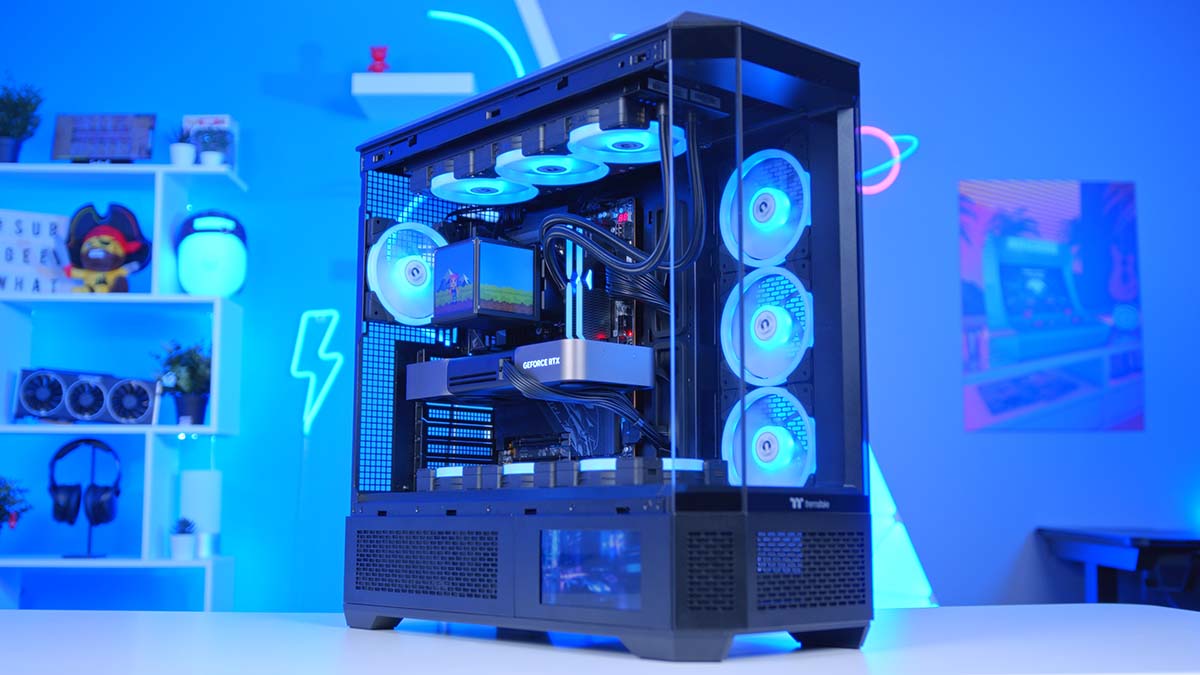
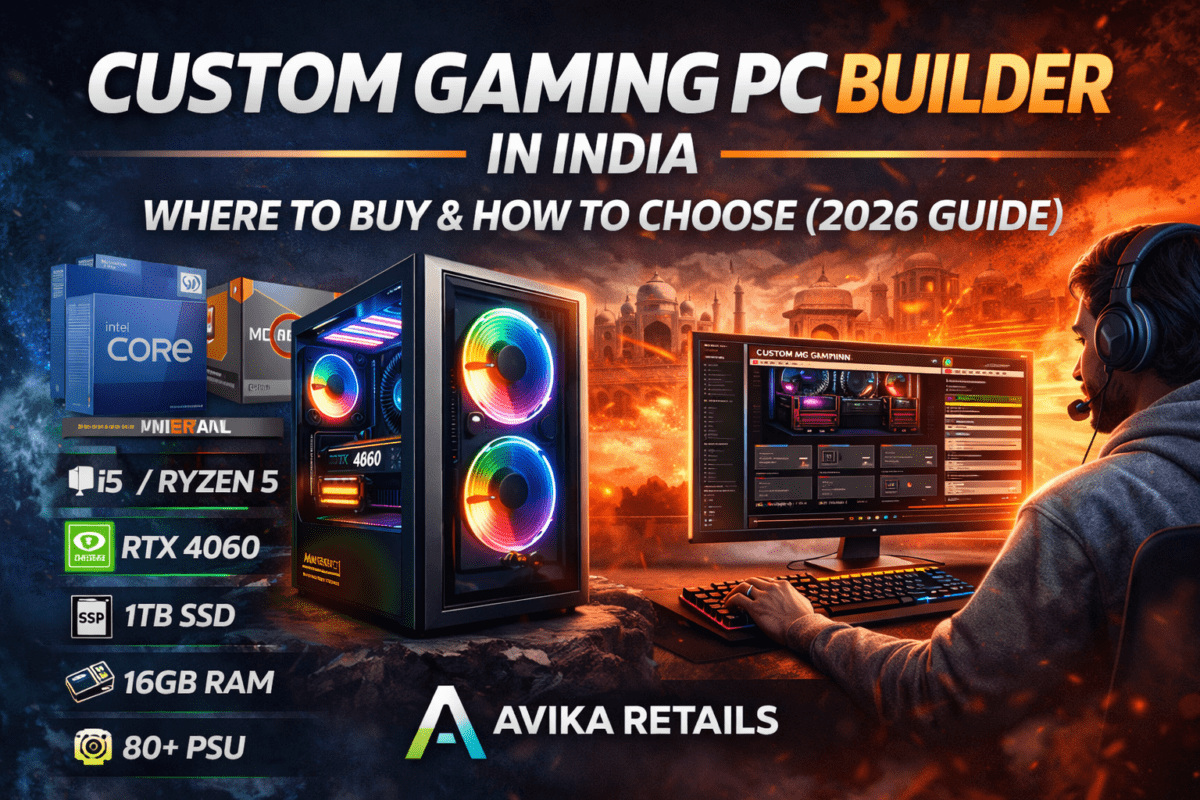
Build PC 2026 Per GTA VI Potenza Massima E Bolletta Minima Generated Images 6. Best Gaming PC Builds For 2026 Best Gaming PC Builds For 2026.webp. Building A 4K Gaming PC Build For 2026 GeekaWhat FI DM82 TT MineCUBE Build . Custom Gaming PC Builder In India Where To Buy How To Choose 2026 Custom Gaming PC Builder In India 1200x800 . The Ultimate Gaming PC Build 2026 Guide By Xidax 1 Unnamed

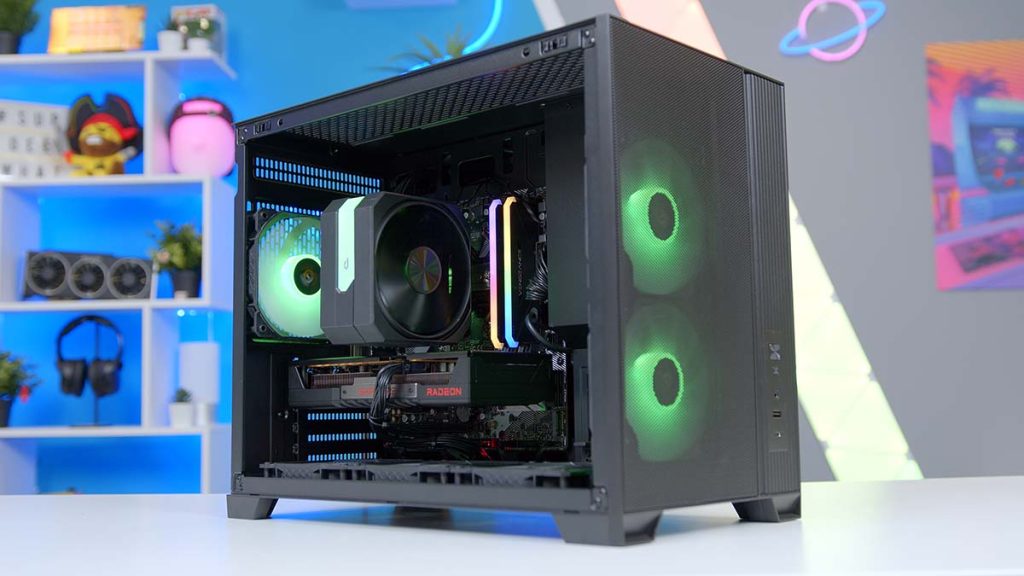

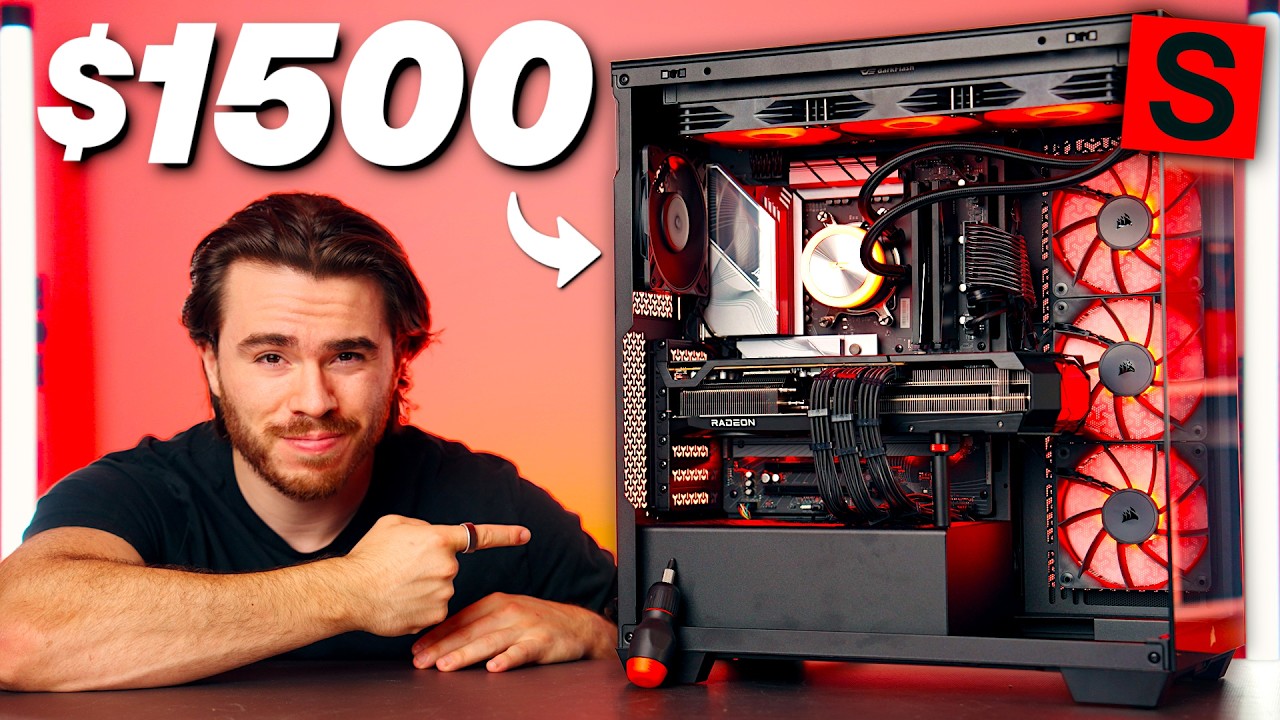
Newegg Joins Hands With MSI To Form The 2026 PC Builder Newegg X MSI 2026 PC Builder Modding Event 2.webp. Building An Affordable Gaming PC For 2026 GeekaWhat FI DP056 Antec Flux M 9060XT 1024x576 . Best PC Builds For Gaming 2026 Ultimate Guide To Building Your Dream Best PC Builds For Gaming 2026 1024x683 . How To Build Your Dream Gaming Setup In 2026 How To Build Your Dream Gaming Setup.webp. 1500 S Tier Gaming PC Build For 2026 YouTube



Best 1500 Gaming PC Build 2026 Ryzen 7 7800X3D RTX 5070 1440p 4K 1536x1024 . 575 Gaming PC Build Guide Step By Step For 2026 YouTube . Find My PC Build 2026 Match A Gaming PC To Your Budget Resolution FPS 2688x1520 . Best Budget Gaming PC Builds For 2026 500 800 Best Budget Gaming PC Builds For 2026.webp. ULTIMATE Creators PC Build For 2026 A Complete Guide YouTube

Should You Build A PC In 2026 Mid Range Gaming Build Guide January Cld Sample . Gaming PC Budget Guide 2026 Spend Smart Build Better Pc Builds For Every Budget.webp. THE BUILD PC Gamer US Edition April 2026 Img 106 1 . Budget PC Build 2026 Complete Guide To Building Cheap Gaming PCs Budget PC Build 2026 Components Laid Out On Desk . Best Gaming PC Build 2026 Top Picks For Every Budget PC Game Haven Gaming PC Build For 600


How To Build A Gaming PC In 2023 Complete Checklist TCG Best Gaming PC Build In 2023 1536x864 . The Gaming PC You Need To Build For 2026. How To Build A Future Proof Gaming PC In 2026 Complete Custom Build Guide PC . How To Build A Gaming PC In 2026 Complete Beginner Guide How To Build Gaming Pc 2026 . Building An Enthusiast Grade PC Build For 2026 GeekaWhat FI DM87 HAVN BF RTX 5090 Build


Upcoming PC Games 2026 Data Driven Performance Analysis Masters Of FIRED 39 . The Most Anticipated PC Games Of 2026 TechSpot 2026 02 23 Image 2 . Best Gaming PC Builds For Every Budget 2026 Stylish Mid Range PC . Best Gaming PC Builds For 2026 Pc Build Help . Top 15 BEST City Builder Games You Should Play In 2026 YouTube


.jpg)
The Best 1000 Gaming PC Build For 2026 YouTube . 450 Gaming PC Build Guide Step By Step 2026 YouTube . The ULTIMATE AMD Gaming PC Build 2026 YouTube . Why PC Gaming Defines The Future Over Consoles In 2026 NoobFeed Pc Build (1) . Best PC Build For Gaming In 2026 The Ultimate Guide By Carol Malma